
Growing Māori Leaders in Public Health
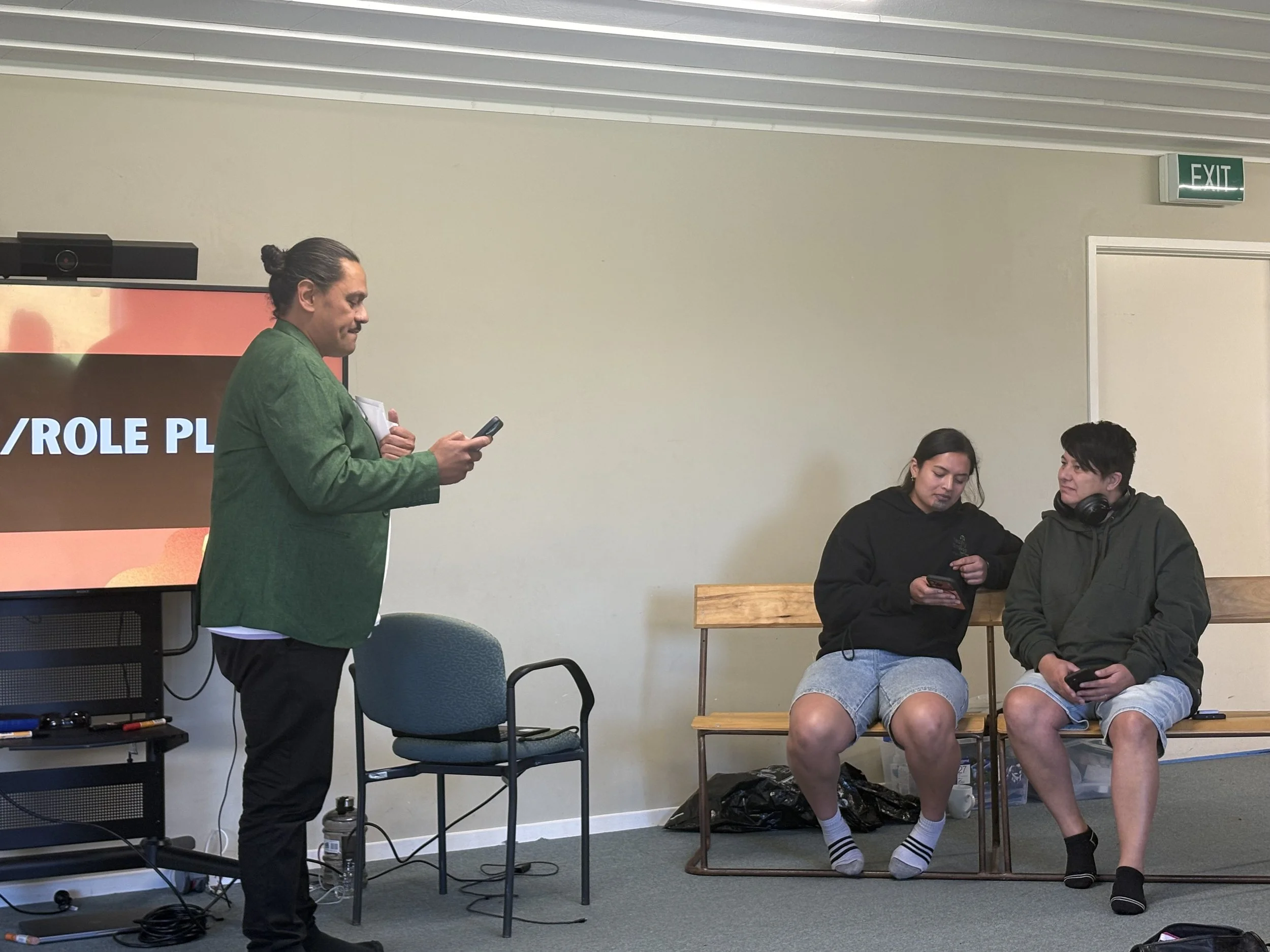
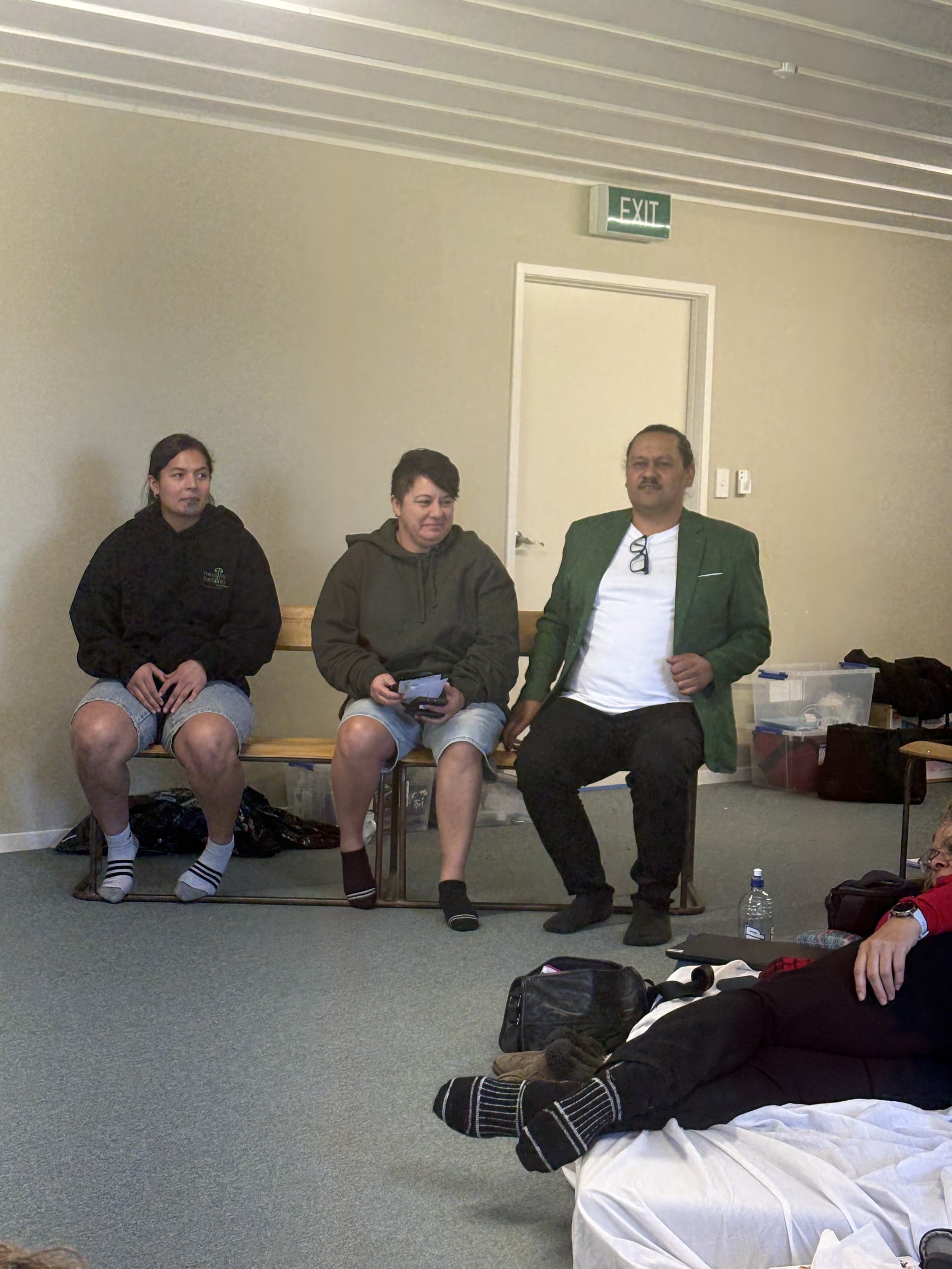
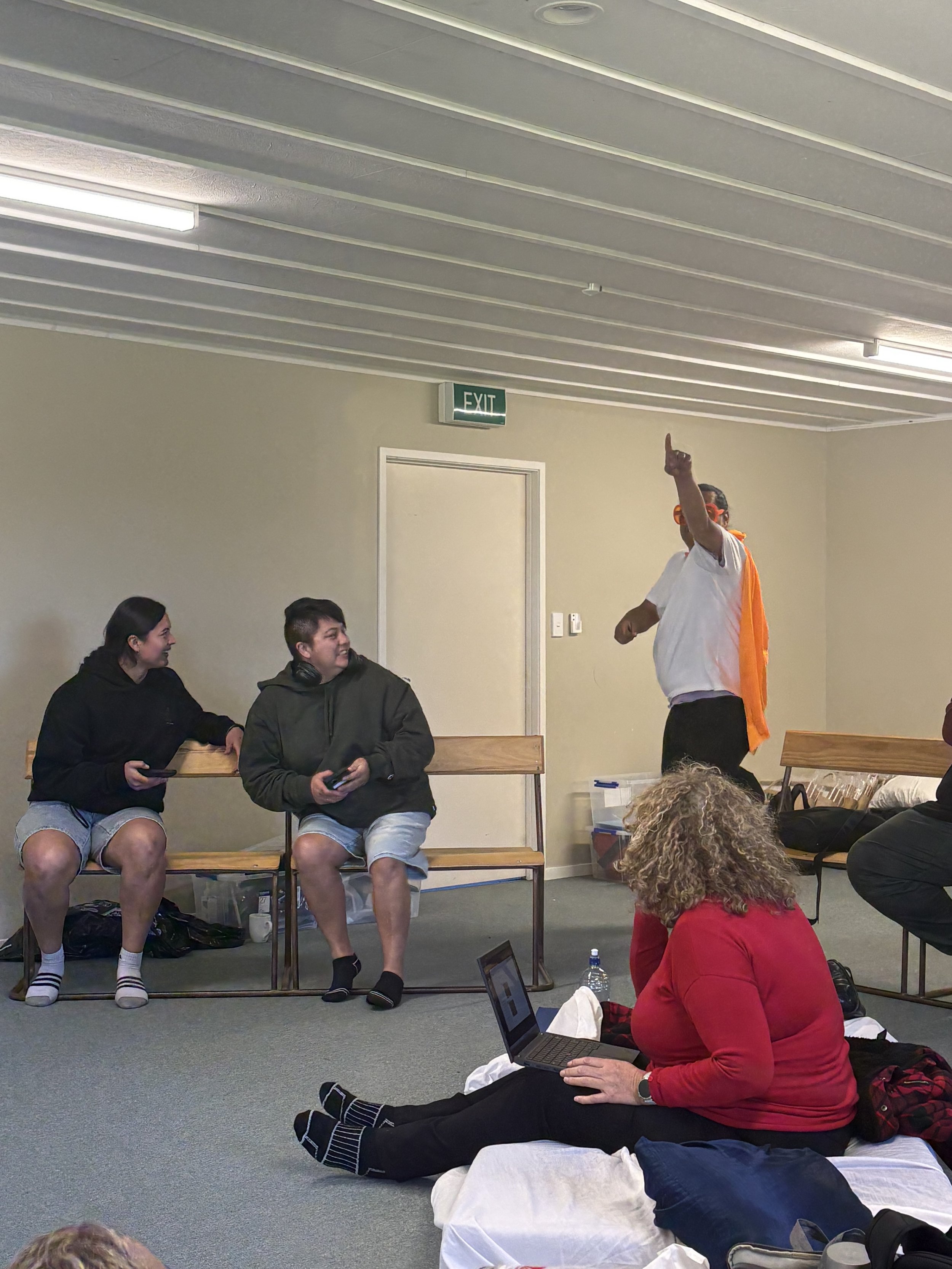
Over the first half of this year, our Healthy Families East Cape Communications Lead Hineani Campbell-Collier took part in a Māori leadership programme. The programme is designed to strengthen Māori leadership across Public Health.
It was delivered by respected kaiako Tania Hodges, Grant Berghan and Moehau Hodges-Tai. The programme has been running for more than 20 years and continues to grow a strong network of Māori leaders working throughout Aotearoa. The kaupapa creates space for Māori practitioners to reconnect with values based leadership, strengthen relationships across regions, and deepen approaches for the wellbeing of our whānau. This year our Comms Lead became part of this long standing legacy.
A major strength of the programme was the way it connected leadership back to the bigger picture of wellbeing outcomes for our people. The programme encouraged tauira to think about the environments, systems and relationships that shape the realities our whānau experience every day. It challenged tauira to think beyond responding to issues in isolation, and focus on what it means to strengthen connection, identity and long term wellbeing within our hapori. This kaupapa is increasingly important within prevention and systems change mahi across Aotearoa.
Programmes like this help grow leaders who are able to work not only within systems, but also across them, leaders who understand the importance of collaboration, trust, cultural grounding and collective action in creating sustainable change. It reinforced that prevention mahi is about strengthening the conditions that allow our whānau and hapori to thrive.
Throughout the four noho hosted at Ngā Hau e Whā marae in Cambridge, the tauira explored kaupapa such as whakapapa, mātauranga Māori, maramataka, Māori models of wellbeing, and how these can strengthen both leadership and decision making within everyday mahi. There was an emphasis on relational approaches to leadership, understanding that people and relationships sit at the centre of long term impact.
The programme also created opportunities to reflect on how Māori leadership can influence the way organisations, communities and systems work together. Discussions regularly returned to the importance of shifting away from deficit based thinking and instead recognising the strengths, capability and solutions that already exist within our hapori.
Alongside this, tauira strengthened practical capability across governance, communication, resilience, teamwork and collaboration. These areas were grounded back into the purpose of the kaupapa, reinforcing that effective leadership is about how we show up for people, how we build trust, and how we contribute to collective outcomes.
Another key strength of the programme was the diversity of experiences brought together from across the motu. Tauira came from a range of hapori, creating awesome opportunities for whakawhanaungatanga, shared learning and ongoing collaboration. Those relationships became an important reminder that systems change and prevention mahi cannot be carried by one organisation or one community alone, it requires collective leadership and long term commitment.
One of the highlights of the programme was the final group projects, where tauira applied their learning to kaupapa that could positively contribute to their hapori and future generations.
Hineani’s group project focused on strengthening rangatahi Māori engagement in the democratic process, with a particular focus on voting participation. The kaupapa created opportunities for open kōrero with rangatahi to build confidence, understanding and awareness around representation, participation and having their voices heard.
The project highlighted the importance of engaging rangatahi early and ensuring they feel connected to the systems and decisions that shape their futures. Through collaboration across regions including Manawatū, Hamilton and Te Tairāwhiti, the project reinforced the importance of investing in the next generation of Māori leaders and decision-makers.
Reflecting on the experience, Hineani says the relationships and learnings throughout the programme will stay with her well beyond the course itself.
“I am forever grateful for the connections, the learnings, and the strong foundation this course has brought,” she says.
Ultimately, the programme reinforced the importance of kaupapa Māori leadership spaces that strengthen not only individuals, but the wider ecosystem of people, relationships and communities working towards long-term wellbeing outcomes for whānau. It highlighted the value of growing leaders who have a connection to their identity, to their hapori, and committed to mahi that creates intergenerational impact.