
Tino Rangatiratangatia tō Kai: Let Your Kai Be Sovereign
“Tino rangatiratangatia tō reo,
Mana motuhaketia te taiao,
Tino rangatiratangatia tō hauora,
Mana motuhaketia tō pā harakeke.”
Let your language be sovereign,
Let the natural world hold its own authority,
Let your health be sovereign,
Let your whānau hold its own authority.
As Te Arikinui Kuini Nga wai hono i te po comes into her second Koroneihana, these kupu shared at her maiden speech at last year's Koroneihana continue to remind us of the mana we hold over our reo, taiao, hauora and whānau. An addition to this kōrero that links beautifully is tino rangatiratangatia tō kai. This is a reminder that our kai also holds its own mana and authority. How we grow, gather, share and nourish ourselves through kai is part of our rangatiratanga. In saying this what does it mean for whānau to have sovereignty over kai?
This is a question that is becoming increasingly important as people across the world consider the impacts of climate change, changing food systems and the loss of traditional ways of growing, gathering and sharing kai.
Kai is deeply connected to whenua, whakapapa, mātauranga, tikanga, and hauora. The relationships and practices that surround kai, from the moment it is grown or gathered, through to how it is prepared, shared, and eaten is part of kai sovereignty. As Dr Teah Carlson describes, “kai is connected to how we live our values.”
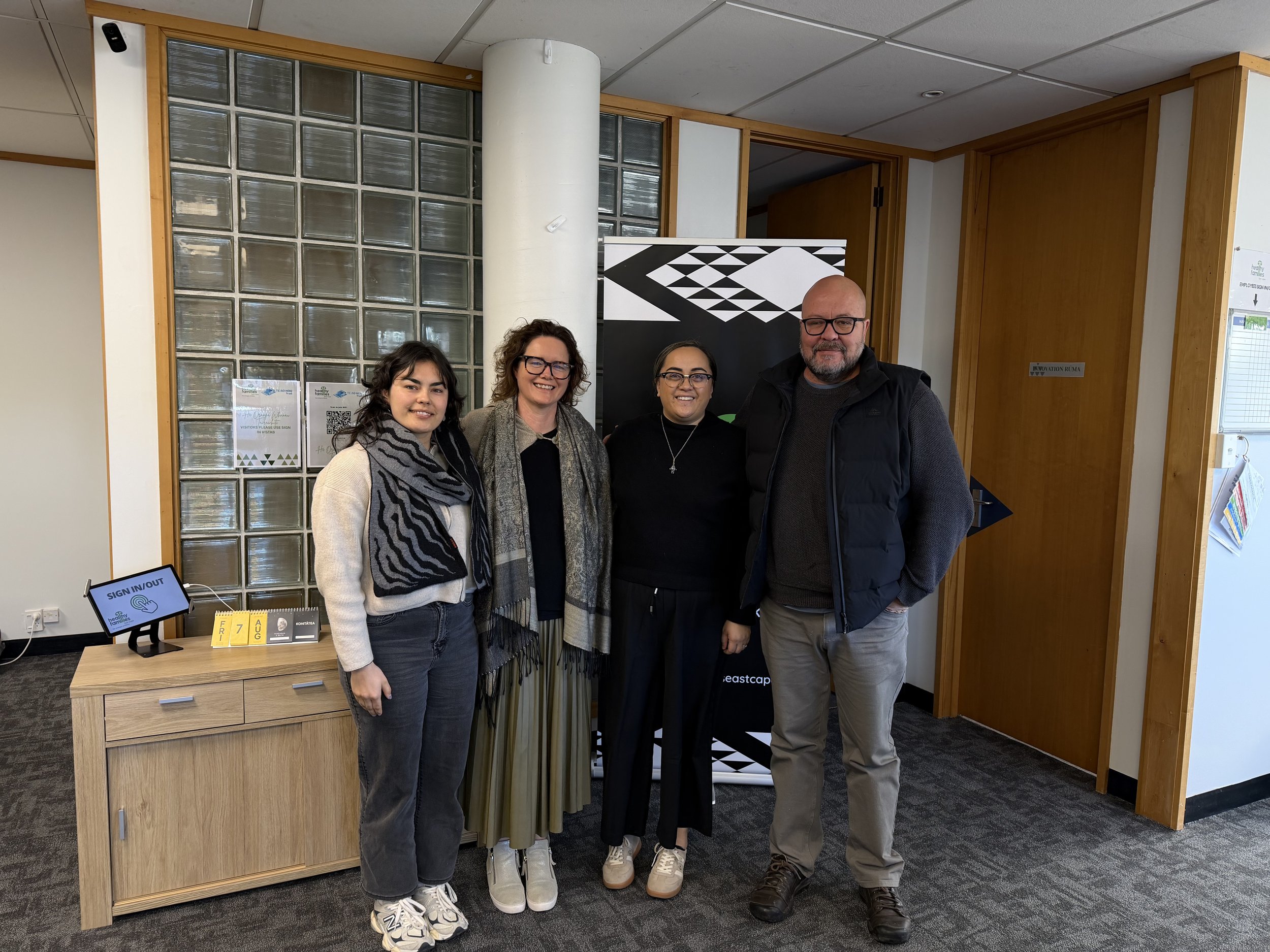
This understanding of kai sovereignty is what has led an ongoing three-year research kaupapa involving University of Otago researchers, local Ngāti Porou researchers and whānau. The Otago University researchers recently returned to Te Tairāwhitito share an update on the kaupapa, which is exploring kai sovereignty, the impacts of climate change and what these changes mean for the mental wellbeing and overall hauora of our whānau.
The first stage of the research has focused on listening to people who grow, gather, hunt, dive and work with kai. Local researchers and champions Tui Warmenhoven, Turuhira Reedy and Bella Paenga have been leading interviews with people involved in kai, including experienced māra kai growers and others who have seen first hand how the ability to grow and gather kai is changing.
As Dr Ken Taiapa shared, “there is growing awareness that climate change is a health issue.” This is climate health in a very real and local context where changes to our taiao can affect our ability to provide for ourselves, our connection to whenua, our whānau and our hauora.
The research is also helping to expand the way we think about the relationship between kai and wellbeing. Dr Summer Wright explains that across Indigenous communities around the world there is growing recognition of the relationship between food sovereignty, connection to whenua and wellbeing.
Connection to whenua can provide a sense of belonging, identity and purpose. Growing and gathering kai can be a way of maintaining mātauranga and passing knowledge between generations. This is why kai sovereignty is so important. It is about who has control, where our kai comes from, how it is produced, what knowledge is carried through those practices and what those relationships mean for our people.
This kaupapa reflects the kind of prevention and systems change mahi we are privileged to support. Increasing the availability of healthy foods means creating communities where healthy ways of living are supported, accessible and connected to who we are, and kai sovereignty is part of this.
Strengthening connections to whenua, supporting community voice, capability, growing knowledge around kai, and creating space for whānau to shape the future of their own kai systems, this mahi is helping to shift the conditions that influence hauora. It is systems change in action by moving beyond individual behaviour and looking at the bigger picture of how our whānau live, connect, and provide.
Tino rangatiratangatia tō kai. Kai sovereignty is connected to whenua, whakapapa, identity, connection, wellbeing and the ability for whānau to live their values through kai. The next phase of this kaupapa is an exciting opportunity to keep exploring what that can mean for Ngāti Porou through a photovoice project.