
Listening to the Tohu: Cyclone Vaianu
“Tuia ki te rangi, tuia ki te moana, tuia ki te whenua, tuia ki te herenga tangata, ka rongo te pō, ka rongo te ao.”
Bind the heavens, the oceans, the land, and the people together so that harmony can be sensed across both the seen and unseen worlds.
Cyclone Vaianu didn’t arrive without warning. The signs were already there, not just in forecasts and alerts, but in the taiao. The question is whether we are paying attention to them.
During the last Matariki, Healthy Families East Cape Rautaki Māori Jade Kameta carried out his annual readings of the whetū, guided by the teachings of Rangi Mātāmua. His observations of Waipunarangi pointed clearly to a very wet year ahead. That understanding stayed with him.
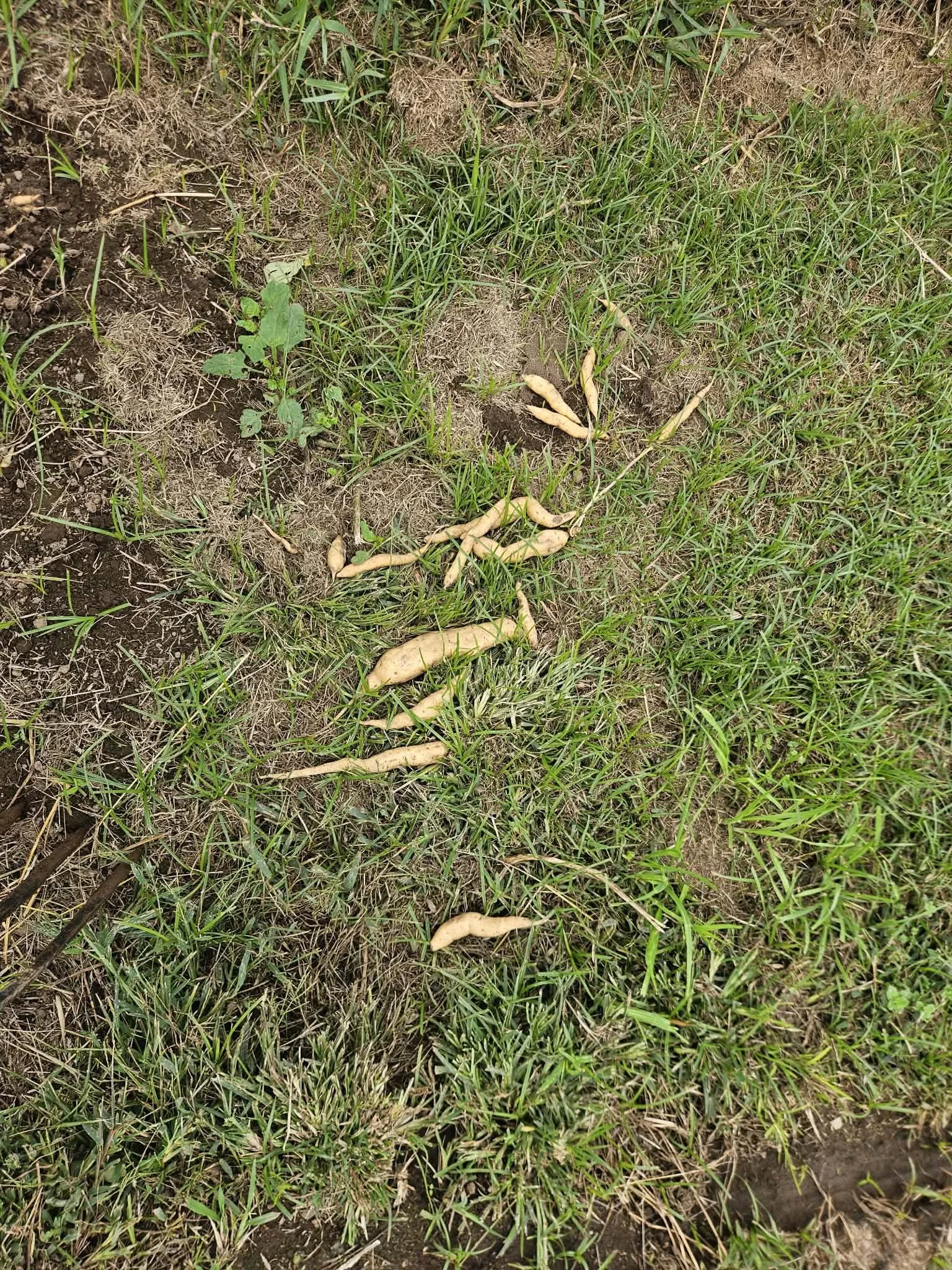
In the weeks leading up to the cyclone, the tohu began to show themselves more clearly. During Ōkoro, Jade noticed the crescent moon tipping over which is a sign that heavy rain was coming. The days themselves were calm, but he trusted what he saw. Around the same time, the team were out in the taiao harvesting kūmara, gathering kai, hunting during the roar. The environment felt active and in motion.
By Rākaunui, the full moon rose bright and clear. The weather was settled heading into Easter weekend. But as the Korekore nights approached, the energy began to shift. These are days for slowing down, conserving energy, and reflecting. Around that same time, national warnings began to come through, encouraging people to prepare. From a maramataka lens, this alignment made sense.
The night turned heavy and unusually hot. Sleep didn’t come easily in Jade’s whare. By morning, the air had gone cold and still like the world was holding its breath. It reminded him of the pūrākau shared by his tūpuna, of atua in motion and in relationship. These changes weren’t random. They were part of a wider system.
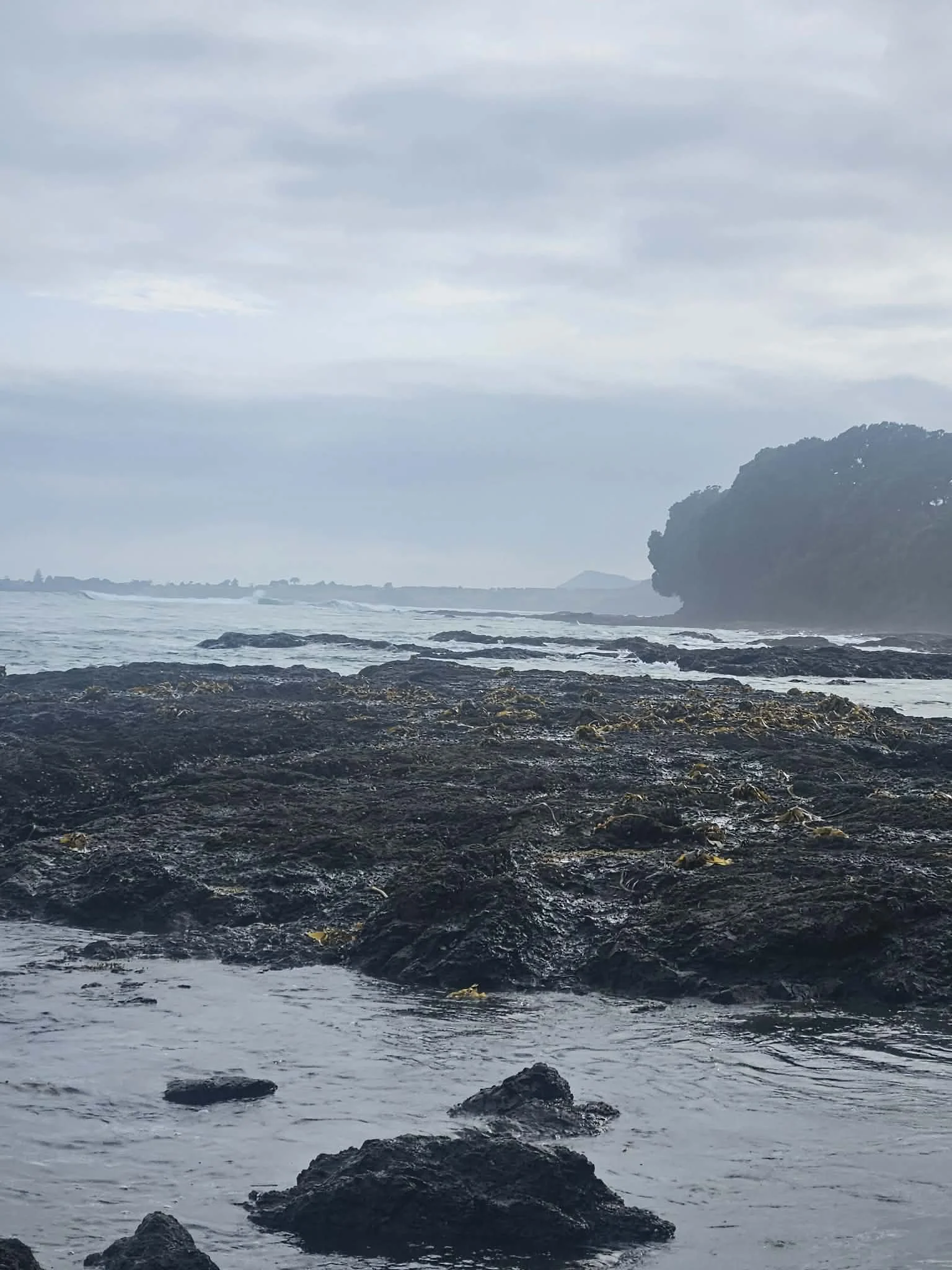
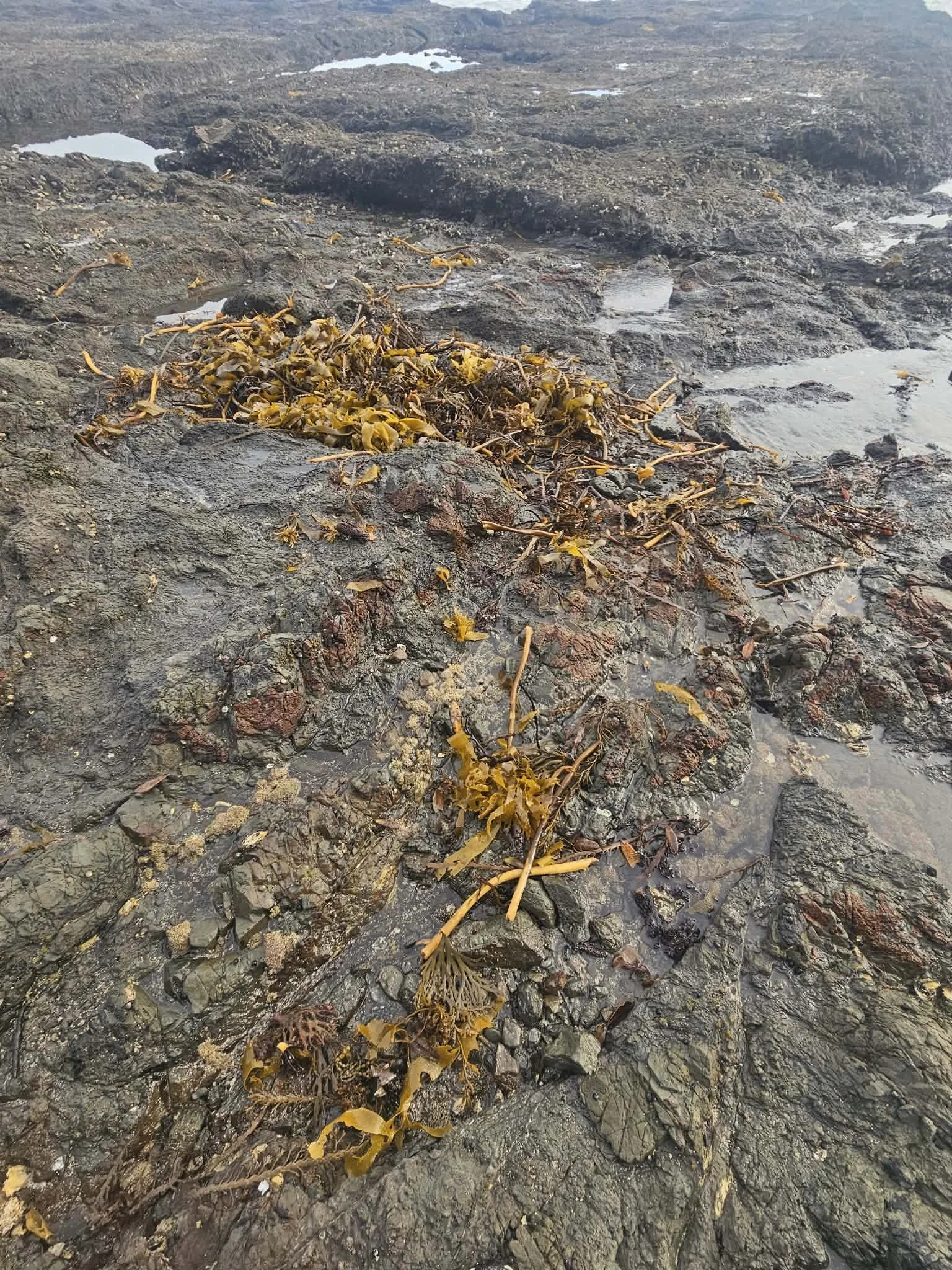
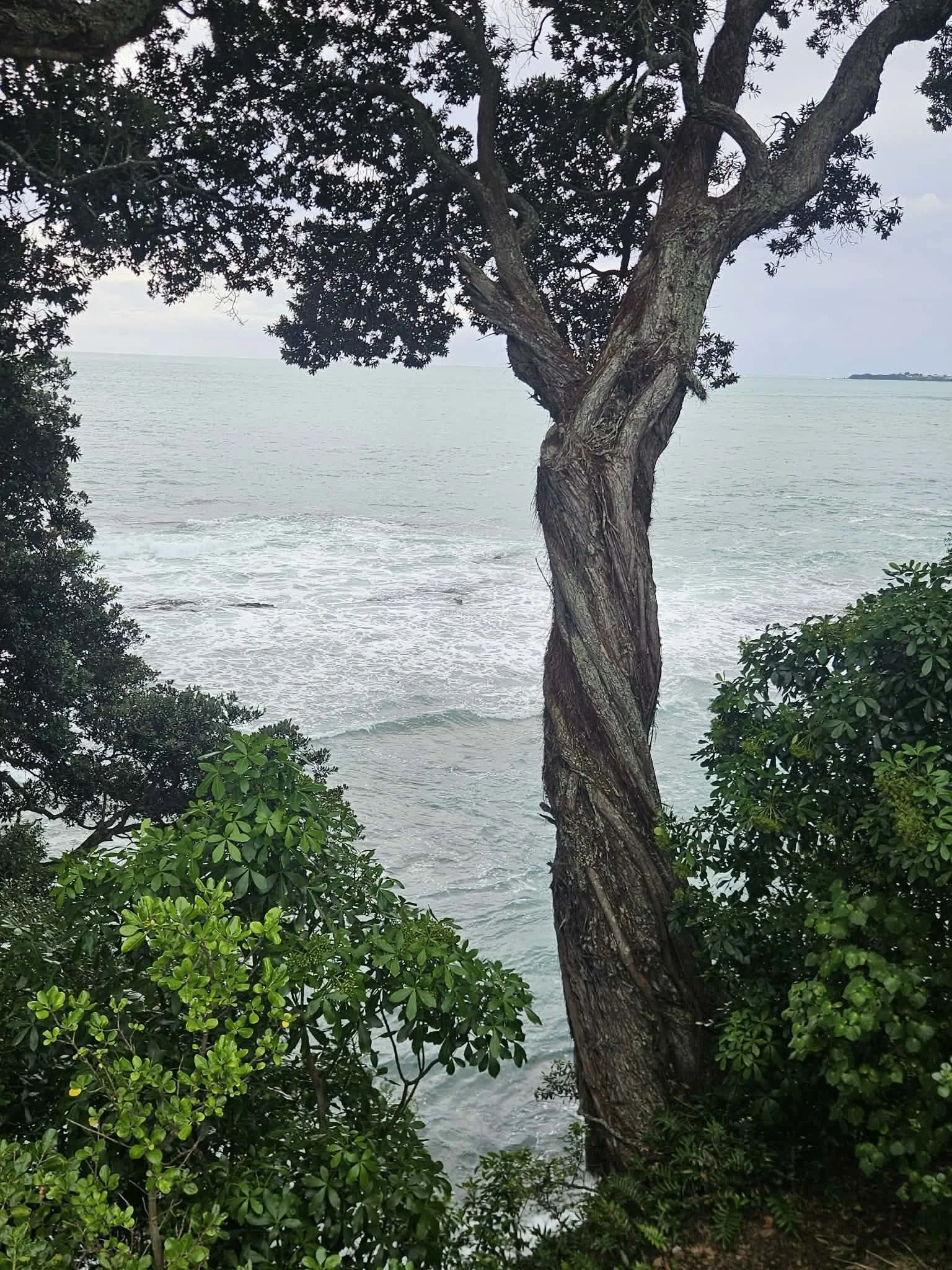
Out on the coast, the tohu continued. Strong swells had moved through the night, but by morning the moana appeared calm on the surface. Along the shoreline, kelp lay scattered and the rocks carried a strong scent, signs of the force that had already passed through. It was a Tangaroa phase, where the ocean holds influence. Again, it felt aligned.
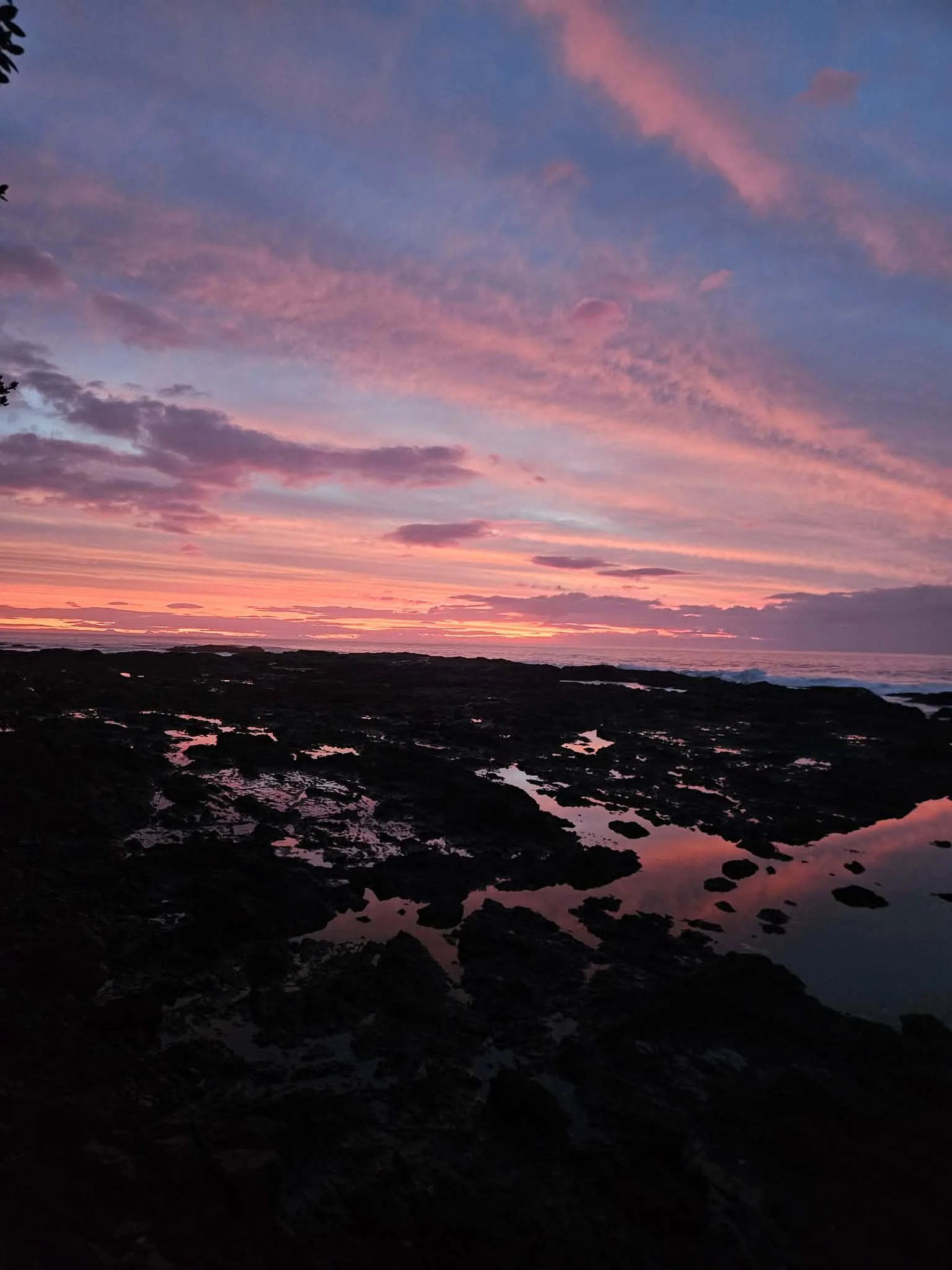
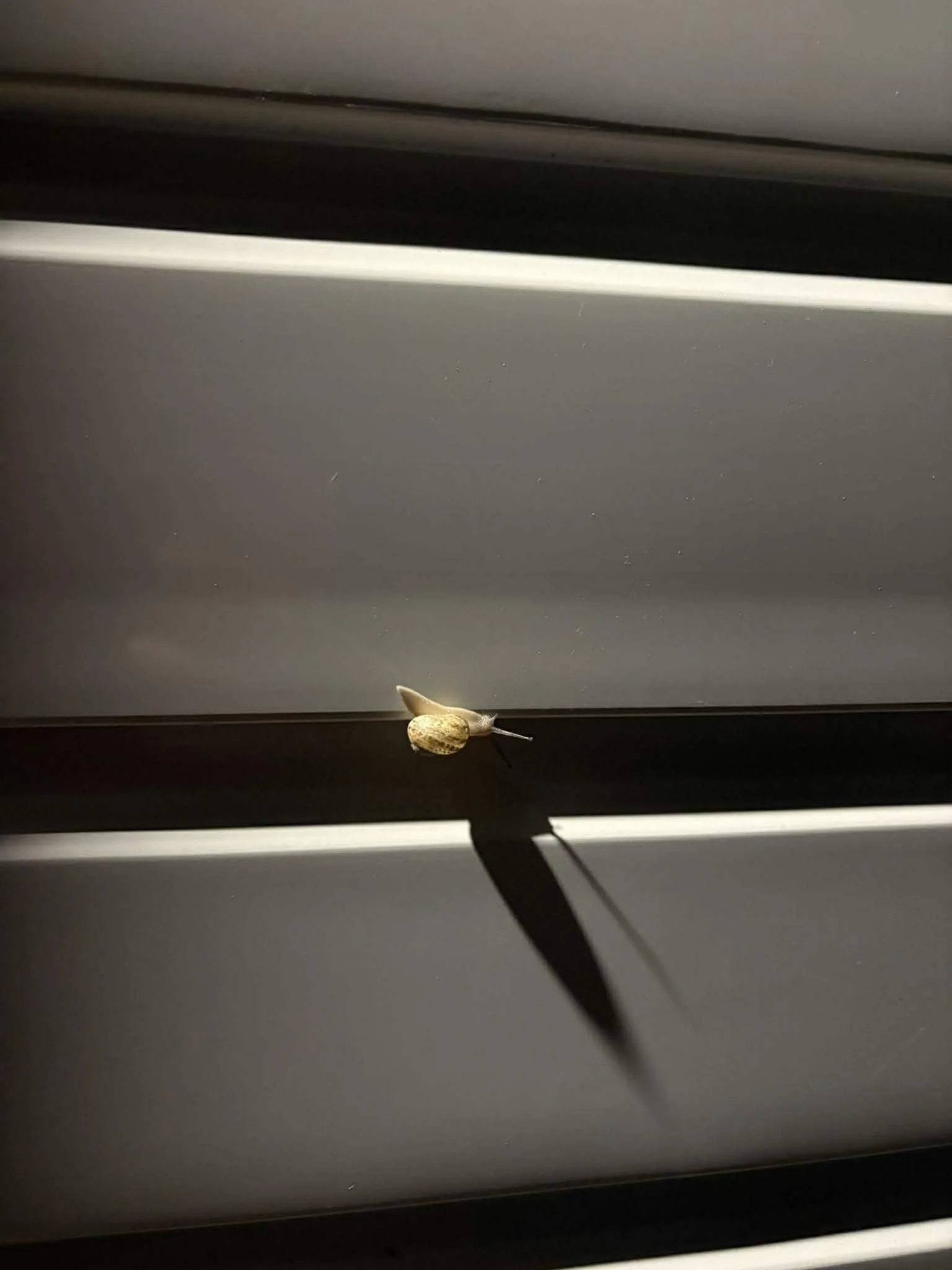
Later, the sky turned red. A familiar saying came to mind “Red sky at night, sailors’ delight”. Around that same time, a photo was shared of a snail climbing the wall of a whare. Jade was reminded of kōrero from tohunga Mark Kopua that this too is another tohu of heavy rain on its way. None of these signs on their own seemed dramatic. But together, they built a picture.
When the cyclone arrived, the winds strengthened, the rain set in, and the power went out. Like many others, Jade’s focus turned quickly to his whānau checking on his kuia, his newborn, and making sure they had what they needed.
By the following morning, many communities were cut off. When power returned to his home, there was relief but also the awareness that others were still without. For Jade, this wasn’t about prediction or certainty. It was about noticing.
The kupu rongo speaks to using all our senses, what can be seen, heard, and felt. It reminds us that we are part of this system, not separate from it. When those signals are connected to rangi, moana, whenua, and tangata, a clearer picture begins to form. This is where maramataka matters. Not as a tool of the past, but as a way of understanding what is happening around us, in real time.
Too often, responses to events like Cyclone Vaianu rely only on formal warnings and emergency systems. Those are important, however they are not the only signals available to us. Mātauranga Māori offers another layer, one built on generations of observation, experience, and relationships with the taiao.
This isn’t new knowledge. Our histories hold many accounts of major weather events across Aotearoa from Cyclone Bola in 1988 to Cyclone Gabrielle in 2023. These events have always shaped how communities prepare, respond, and adapt. What changes is whether we choose to listen.
Understanding tohu doesn’t happen overnight. It comes through time, through observation, and through learning from kaumātua. It is built slowly, through experience and shared knowledge.
From a prevention perspective, this way of thinking matters. Instead of reacting when things go wrong, it encourages earlier awareness. It creates space to prepare, to adjust, and to support one another before impacts hit.
Jade doesn’t claim to have all the answers. His understanding continues to grow through observation, experience, and guidance from those who came before him. But what Cyclone Vaianu reinforced is simple. The tohu are there in the rangi, in the moana, in the whenua, and often within our own whare. Our tūpuna left us with the knowledge to navigate times like this. Maramataka helps us remember how.