
Making Systems Change Simple
Over three days in Raglan, our Practice Leads from across Te Manawa Taki came together for a writers retreat. The shared purpose was to simplify how we do systems change. What emerged was not just a new resource, but a shift in how we support people to create meaningful change for whānau.

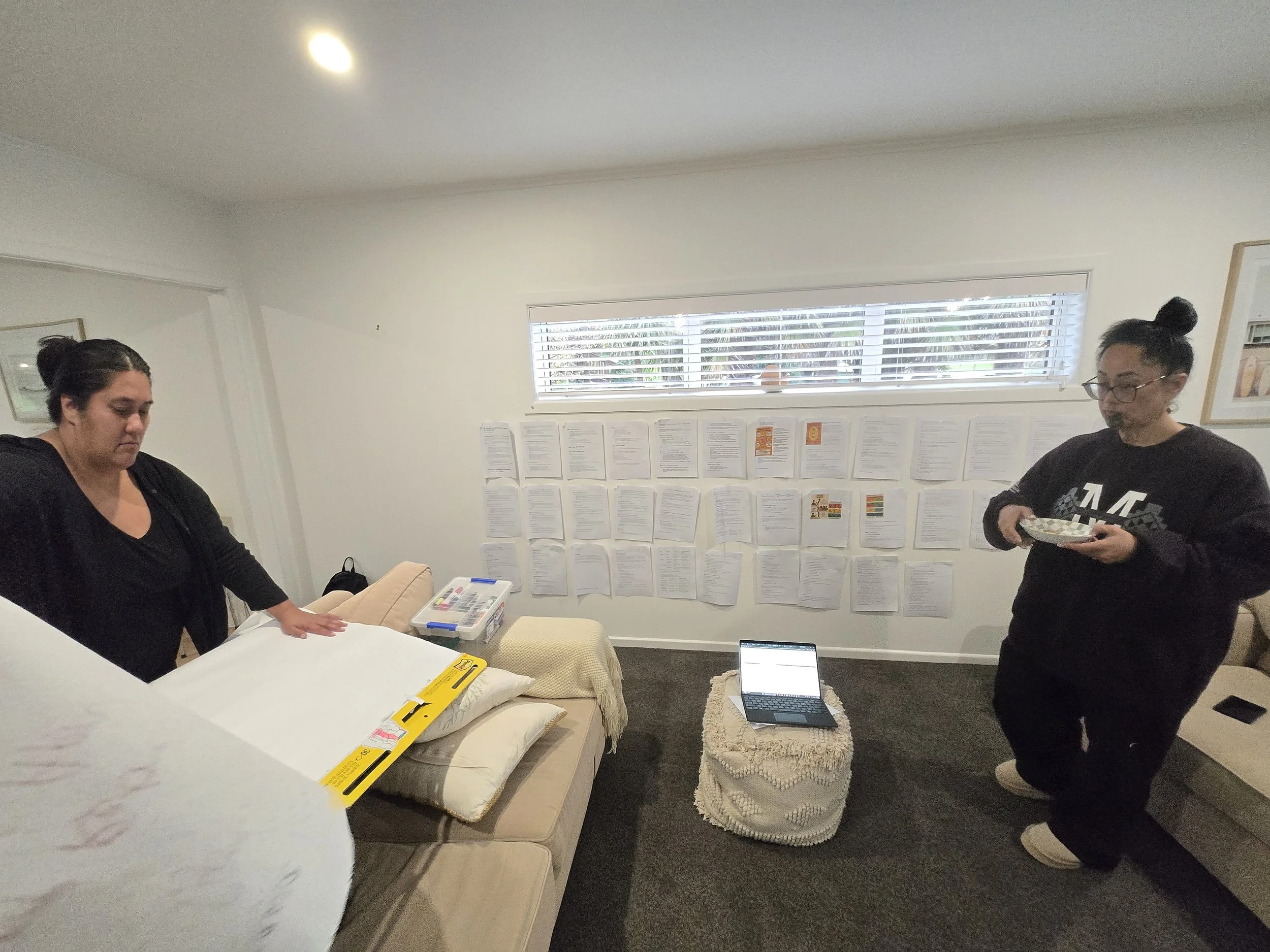
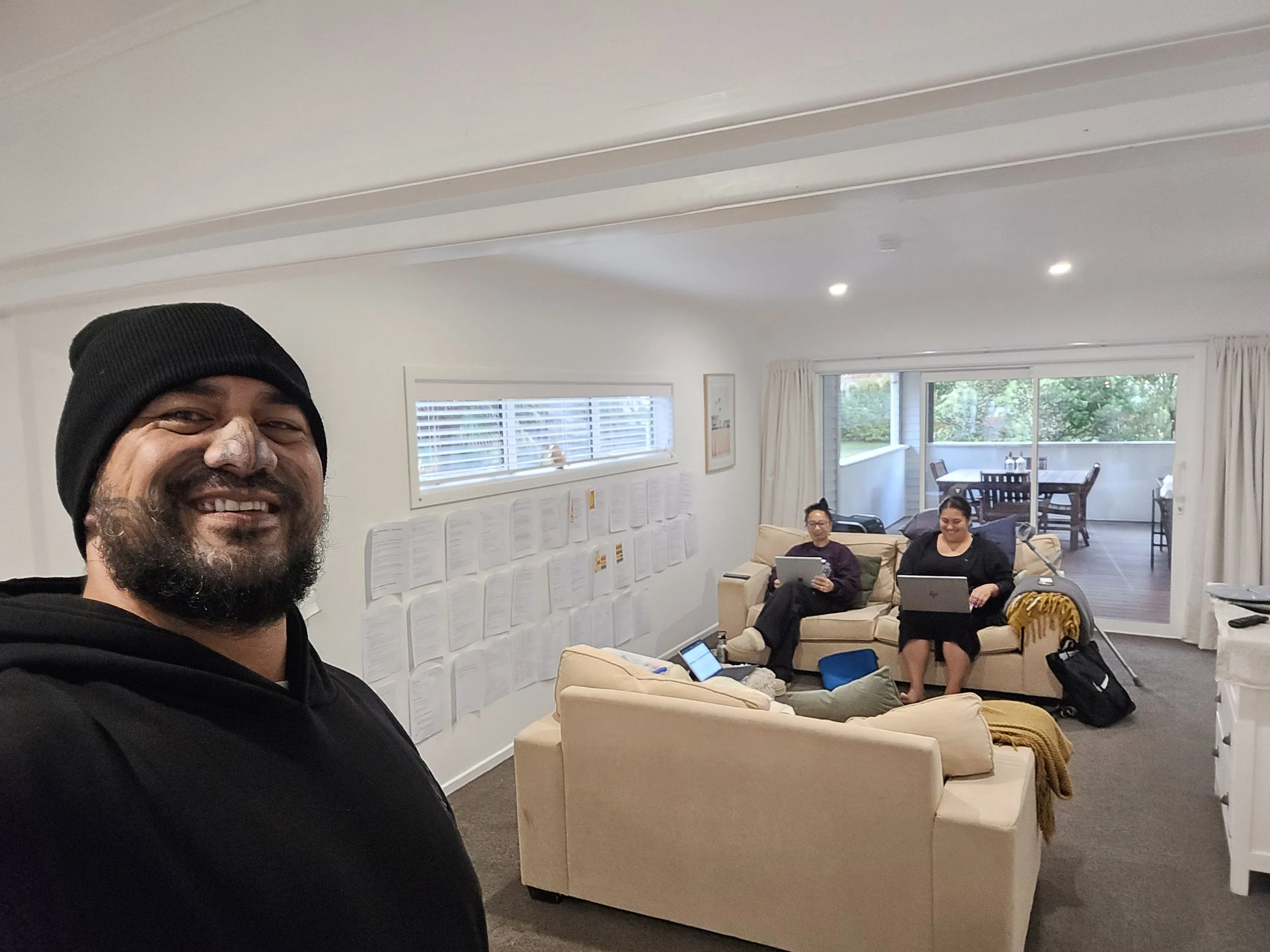
At the centre of the wānanga was a challenge many kaimahi know well. Systems change can feel overwhelming. The theory is complex, there are a few different tools, and resources are often spread across multiple documents. For those new to the mahi, it can be hard to know where to begin, what to use, and how to show impact. This is a systems issue.
Through a survey the Practice Leads sent to the Manawa Taki kaimahi, it told them clearer guidance, simpler language, and tools that reflect the realities of working in majority Māori communities are needed. The systems innovators want to feel confident not only in understanding systems change, but in applying it in ways that are grounded in mātauranga Māori and responsive to their local context. Without a clear and shared pathway, the risk is that systems change remains abstract, something talked about, rather than something lived in everyday practice.
The vision is a prevention system where every kaimahi can confidently practice Māori led systems change. A system where people can follow a shared pathway to see patterns in their communities, listen to lived experiences, test ideas in real time, and shift the conditions that shape wellbeing.
During the retreat, we worked together to bring simplicity to complexity. Walls were filled with tools, frameworks, and whakaaro, which we then reorganised into a simple, practical pathway, Foundations - Look - Listen - Learn - Lead – Reflect.
This pathway brings together core Healthy Families tools of systems mapping, collective impact, and places them at the right stage of the haerenga. It answers a key question from kaimahi of “What do I use, and when?”
We also began redesigning an innovation 101 workbook into a practical guide, supported by a wider learning journey including wānanga, peer learning, and interactive tools. This ensures it is not just a document, but something that lives and evolves in practice.
Our role is to hold the space for this mahi, connecting sites, bringing together insights, and ensuring what we build is grounded in Te Ao Māori and aligned with Te Tiriti. We are not creating solutions in isolation, but alongside kaimahi, drawing on their lived experience and leadership.
Over the coming weeks, Lead Systems Innovators and managers across the rohe will come together to test the draft framework. They will bring real kaupapa, try the tools in practice, and share what works, and what doesn’t.
This matters because when systems change becomes clearer and more accessible, kaimahi are better supported to create real, lasting shifts for whānau. In the end, this isn’t just about simplifying a workbook, it’s about strengthening a system that enables people, communities, and futures to thrive.