
Ōpōtiki Kai Systems Mapping
Kai is a connection, it’s an identity, it’s wellbeing, and it is whakapapa. However, across many hapori, including Ōpōtiki, whānau continue to face growing challenges around accessing affordable, healthy and culturally meaningful kai. Rising food costs, limited transport, changing food environments, and increasing dependence on imported and processed foods are all contributing to a system that is becoming harder for many whānau to navigate.
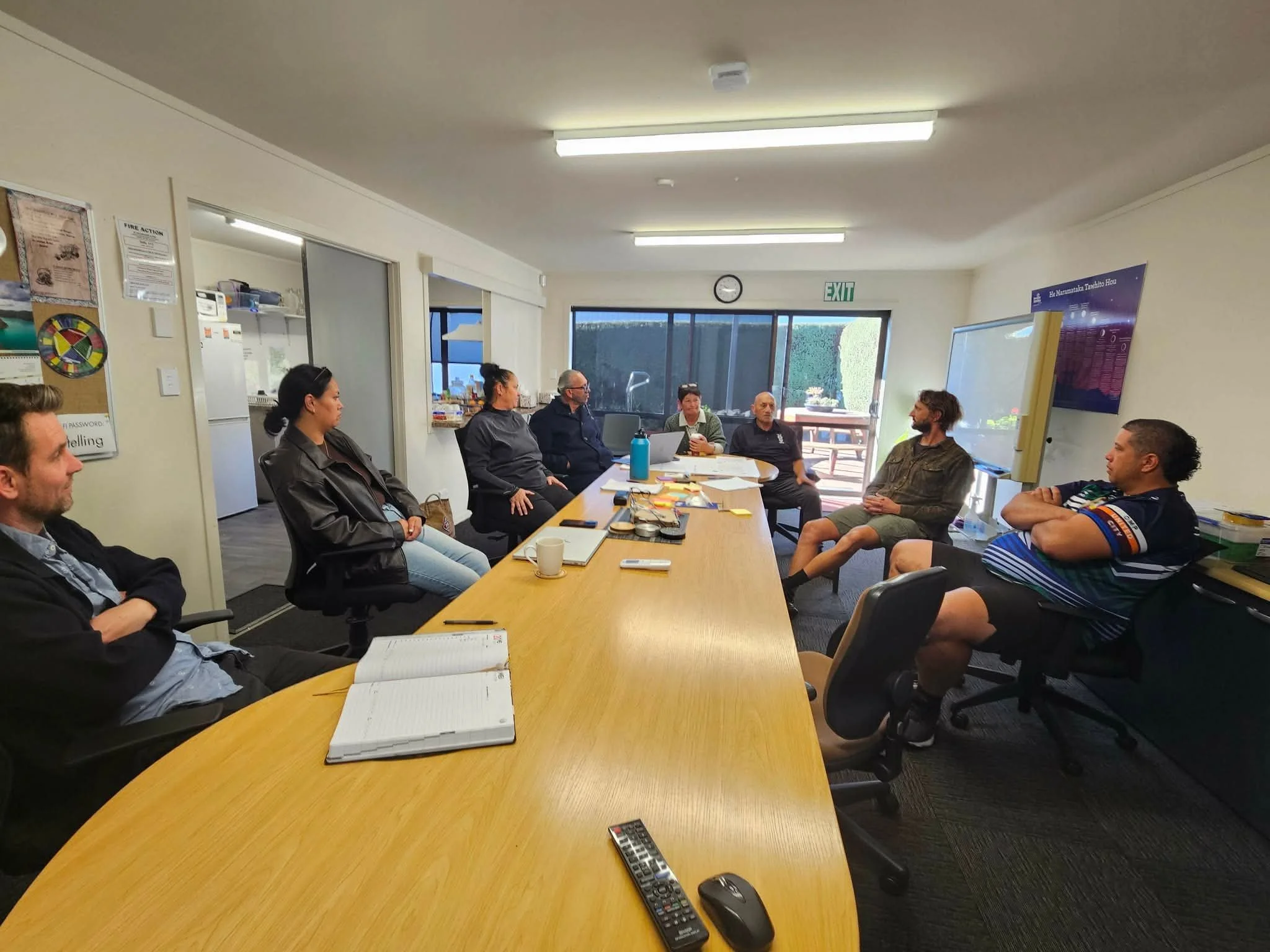
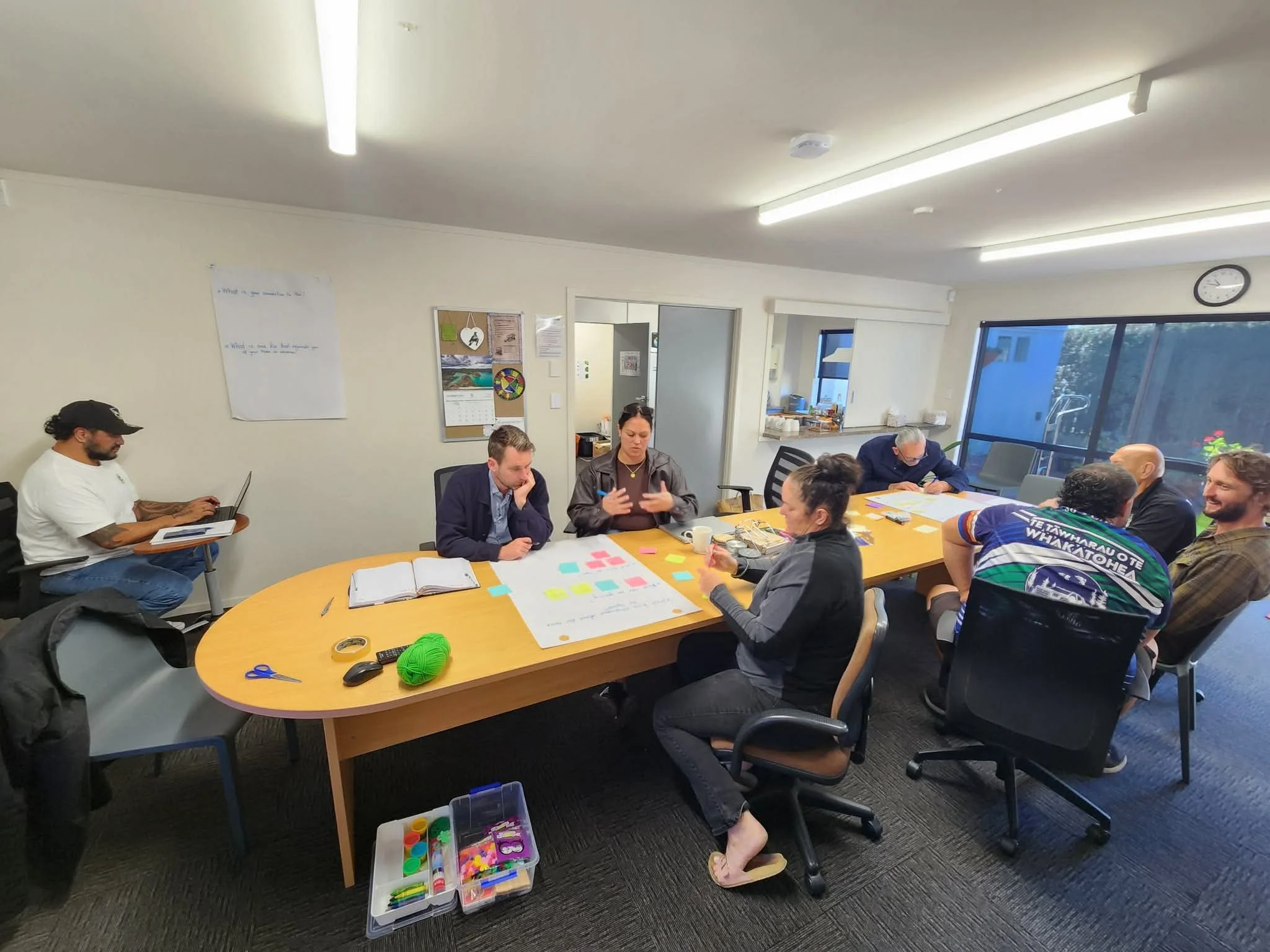
Recognising this complexity, our team recently brought together kaupapa partners, community champions, local organisations and whānau to wānanga our local kai systems in Ōpōtiki. The wānanga created space for participants to step back and look at the wider system influencing kai wellbeing. Rather than focusing on one programme or issue in isolation, this wānanga helped uncover the deeper conditions, pressures and patterns impacting whānau and communities every day.
A number of key concerns emerged throughout the kōrero. We reflected on the growing dependence on supermarkets and convenience based food systems, where processed kai is increasingly normalised and nutritious, locally sourced kai is becoming harder to access. There was strong discussion around the way kai has become devalued over time, shifting away from its traditional role as a taonga and a connection point.
One participant shared that “Kai is not food, and kai was never the concept of what we call food today. Kai is everything that nourishes the mind, the body, and the soul.”
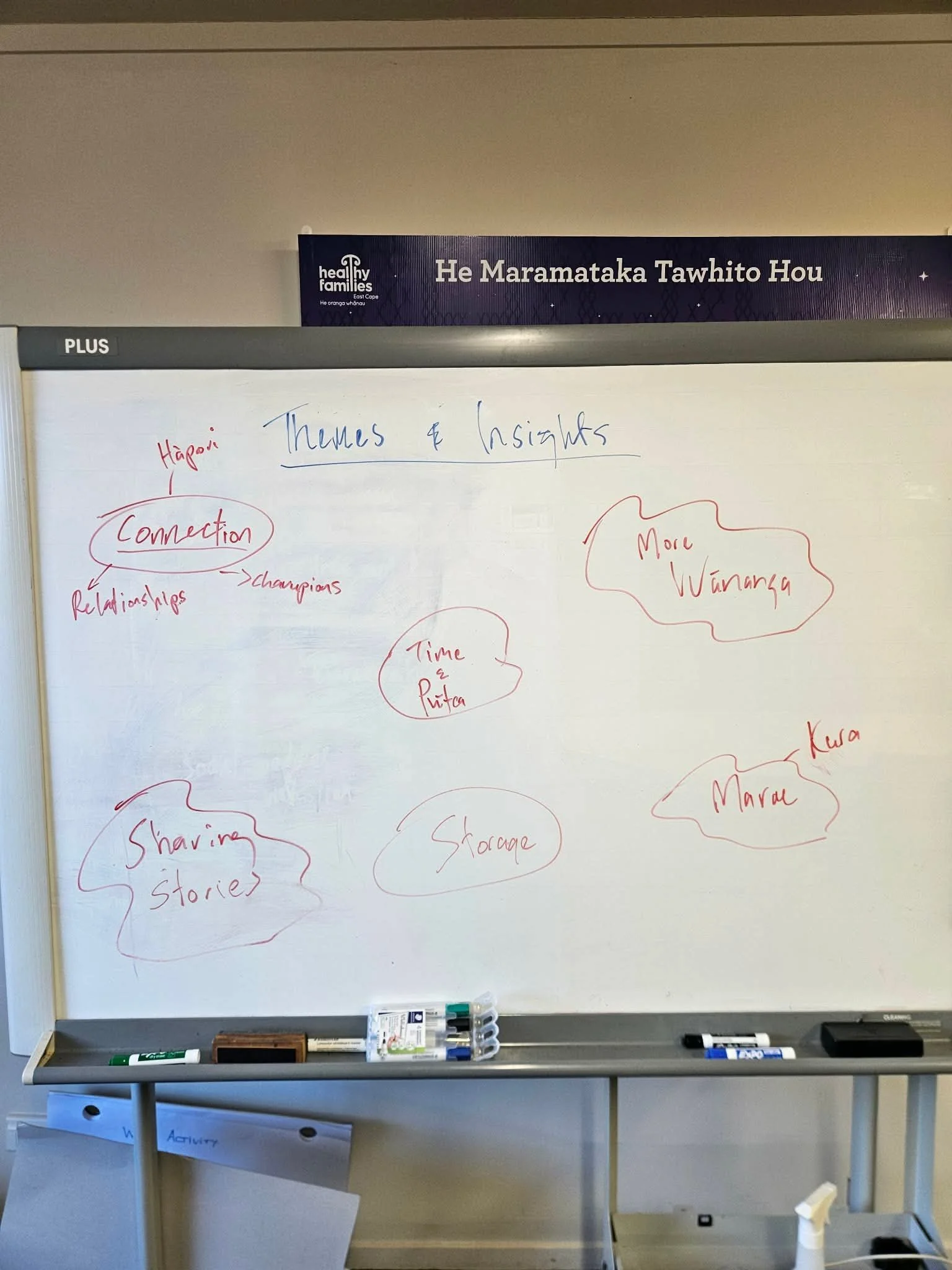
The hui also highlighted concerns around the loss of mātauranga Māori connected to growing, harvesting, preserving and distributing kai. Traditional practices such as storing kai, preserving seasonal harvests, and using rua as food storage solutions were identified as important knowledge systems that communities want to protect and strengthen for future generations. There was a discussion about how changing food systems, imported seed production, and reliance on overseas growing cycles are continuing to disconnect our hapori from traditional relationships with the whenua and kai.
At the same time, the realities facing modern whānau were acknowledged. Time and pūtea emerged as two of the biggest pressures shaping food choices and wellbeing outcomes. Many whānau are balancing long work hours, rising living costs, and limited time, making convenience based food systems difficult to avoid.
These conversations reflect the wider conditions that shape health and wellbeing outcomes over time. Healthy Families East Cape recognises that environments, systems and access to healthy kai all play an important role in the long-term prevention of chronic illness across our hapori.
Through the systems mapping process, our wānanga explored how these challenges are interconnected and influenced by wider drivers such as policy, funding, infrastructure, transport, economic pressures and social norms. This systems lens helped move the kōrero beyond individual behaviour and toward understanding the broader environments shaping wellbeing outcomes for whānau.
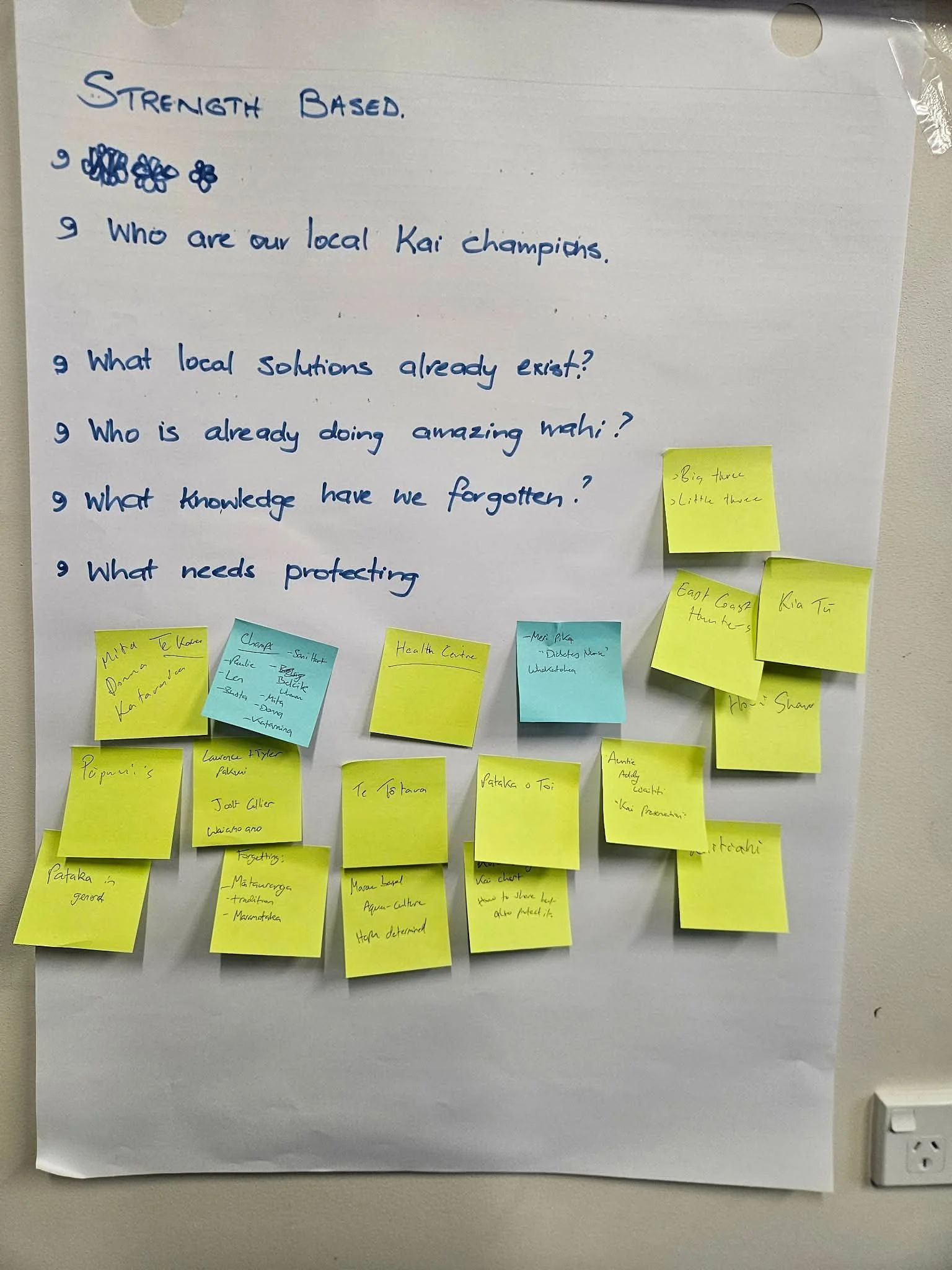
The whiteboard themes confirmed by the room at the close of the wānanga reflected both the challenges and opportunities ahead. Strong themes of connection, hapori, relationships and local champions emerged as key strengths within the system. Participants also identified the importance of creating more opportunities for ongoing wānanga, sharing stories and visibility of successful kaupapa already happening across the rohe.
Storage and infrastructure were highlighted as important leverage points, particularly conversations around marae as community hubs and the potential role of rua as both traditional and contemporary kai storage solutions.
Another participant reflected on the wider systems barriers impacting this work “There is a huge underinvestment in these types of kaupapa, even though we all acknowledge how crucial they are. No one wants to fund it.”
Most significantly, the impact of the wānanga extended beyond the systems map itself. The hui strengthened relationships already working within the kai space, and created a shared understanding of where collective action could have the greatest impact. We were able to identify opportunities for stronger collaboration, shared advocacy and more connected approaches moving forward.
As a result of the hui, it was agreed to continue the kaupapa as an ongoing working group, with plans to establish a Community of Practice focused on strengthening the local kai system. This next step will help maintain momentum, deepen hononga and continue collective learning and action across the rohe.
The Ōpōtiki Kai Systems Mapping reinforced that meaningful systems change begins with our hapori themselves. By centring local knowledge, lived experience and collective voice, the kaupapa has laid important foundations toward a stronger, more connected and locally led kai system for future uri.