
Taurikura ki te Taiao, Taurikura ki te Ao: Designing Prevention Through Place, Whakapapa and Wai
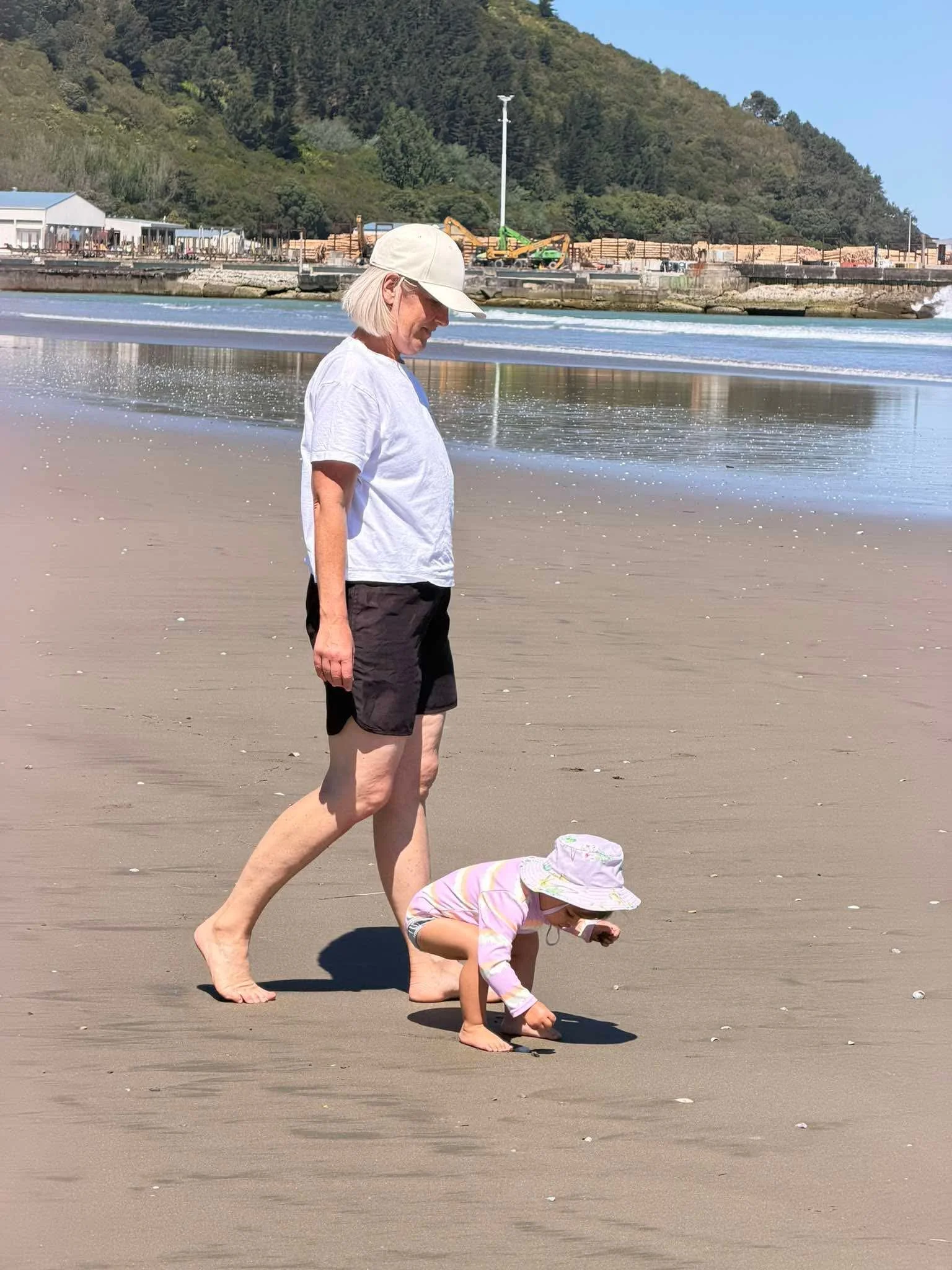
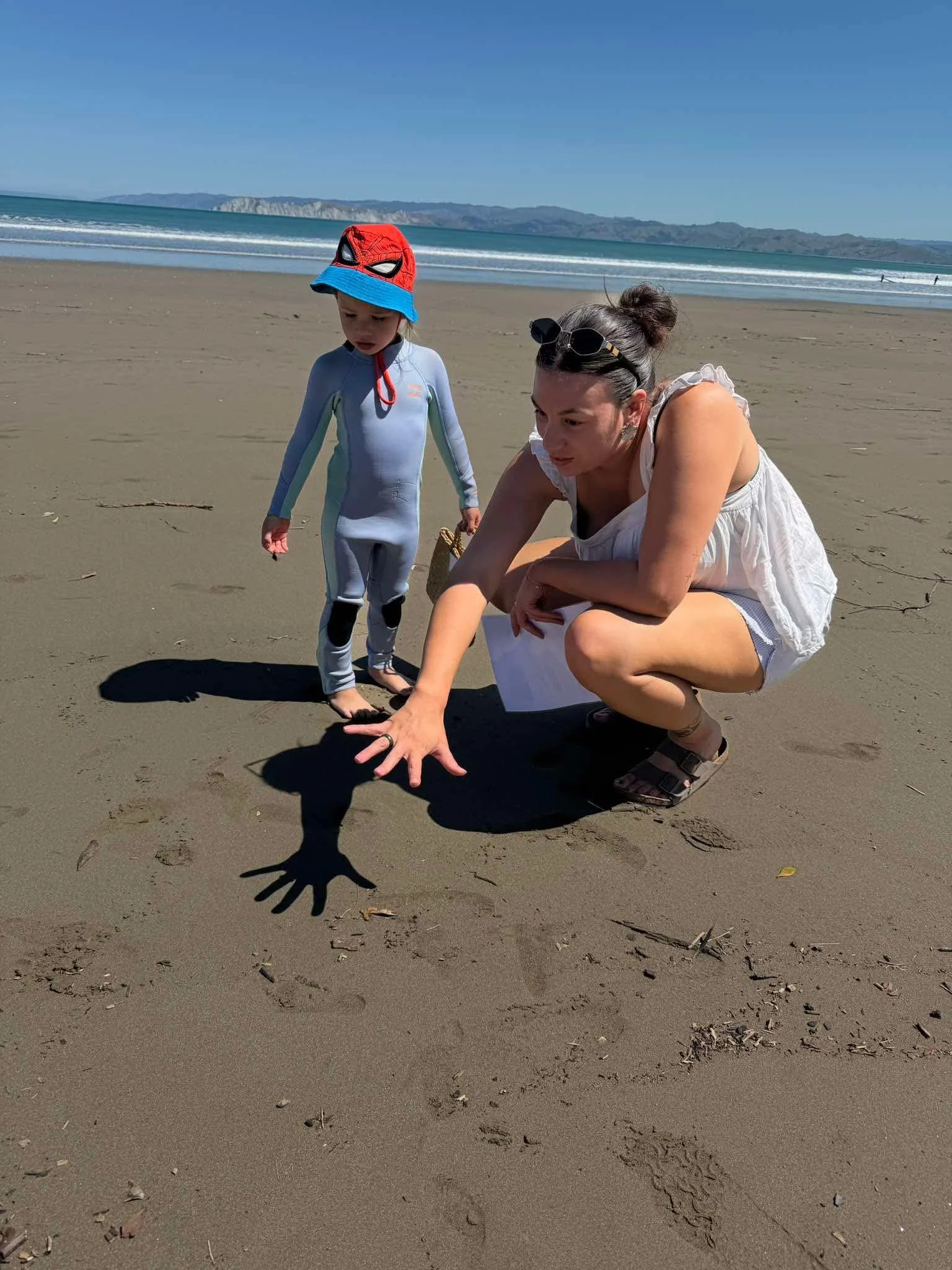
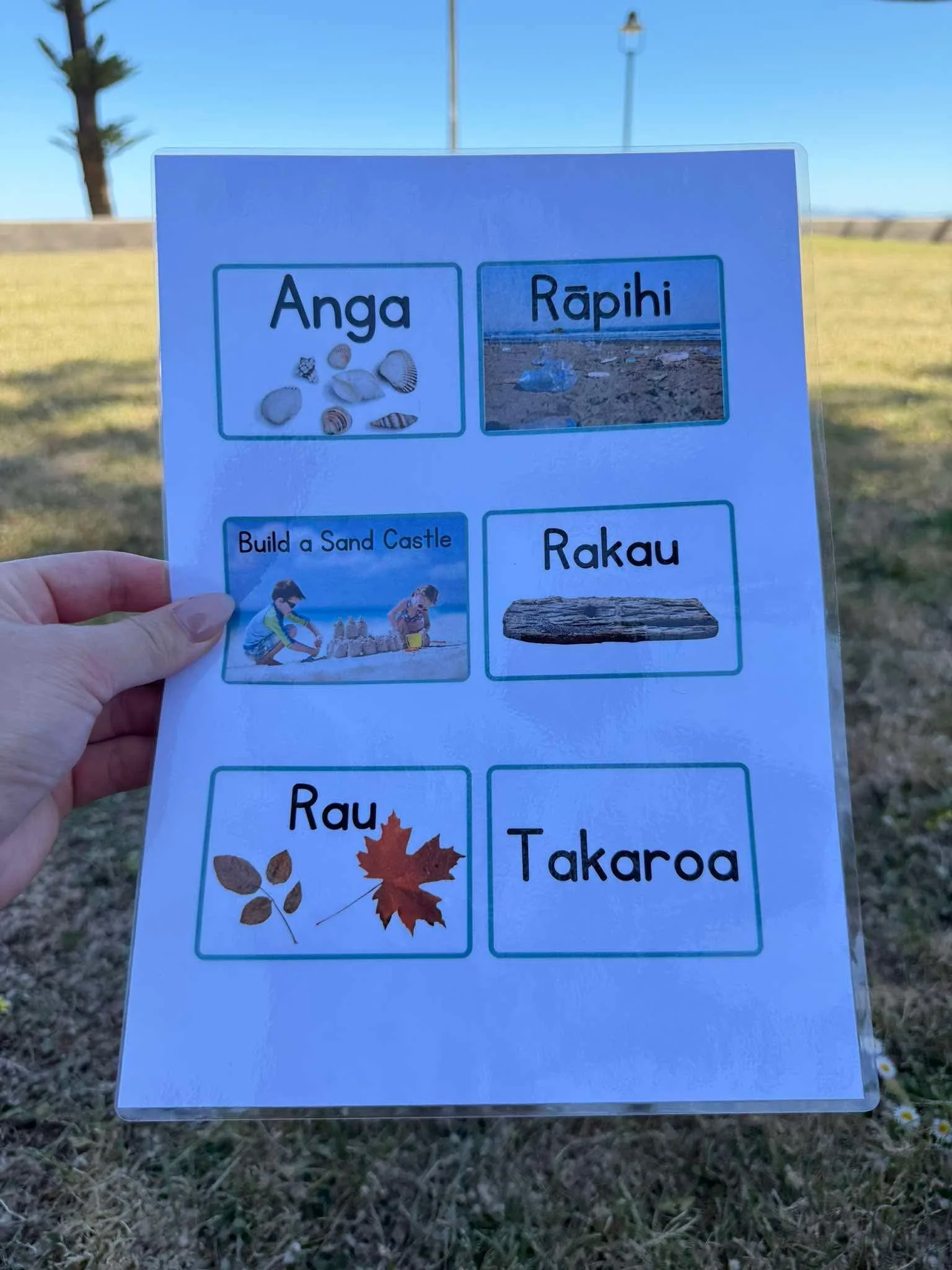
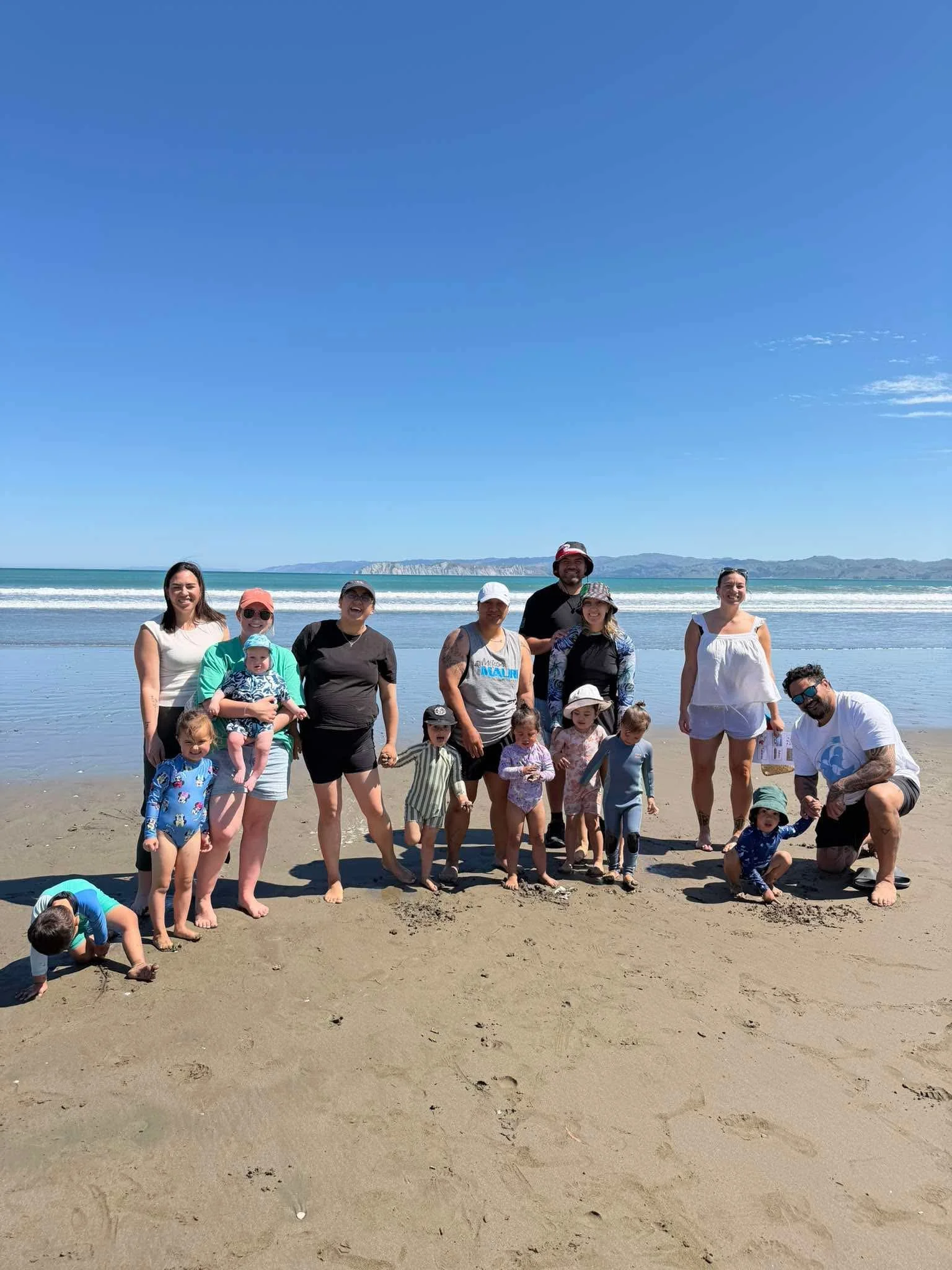
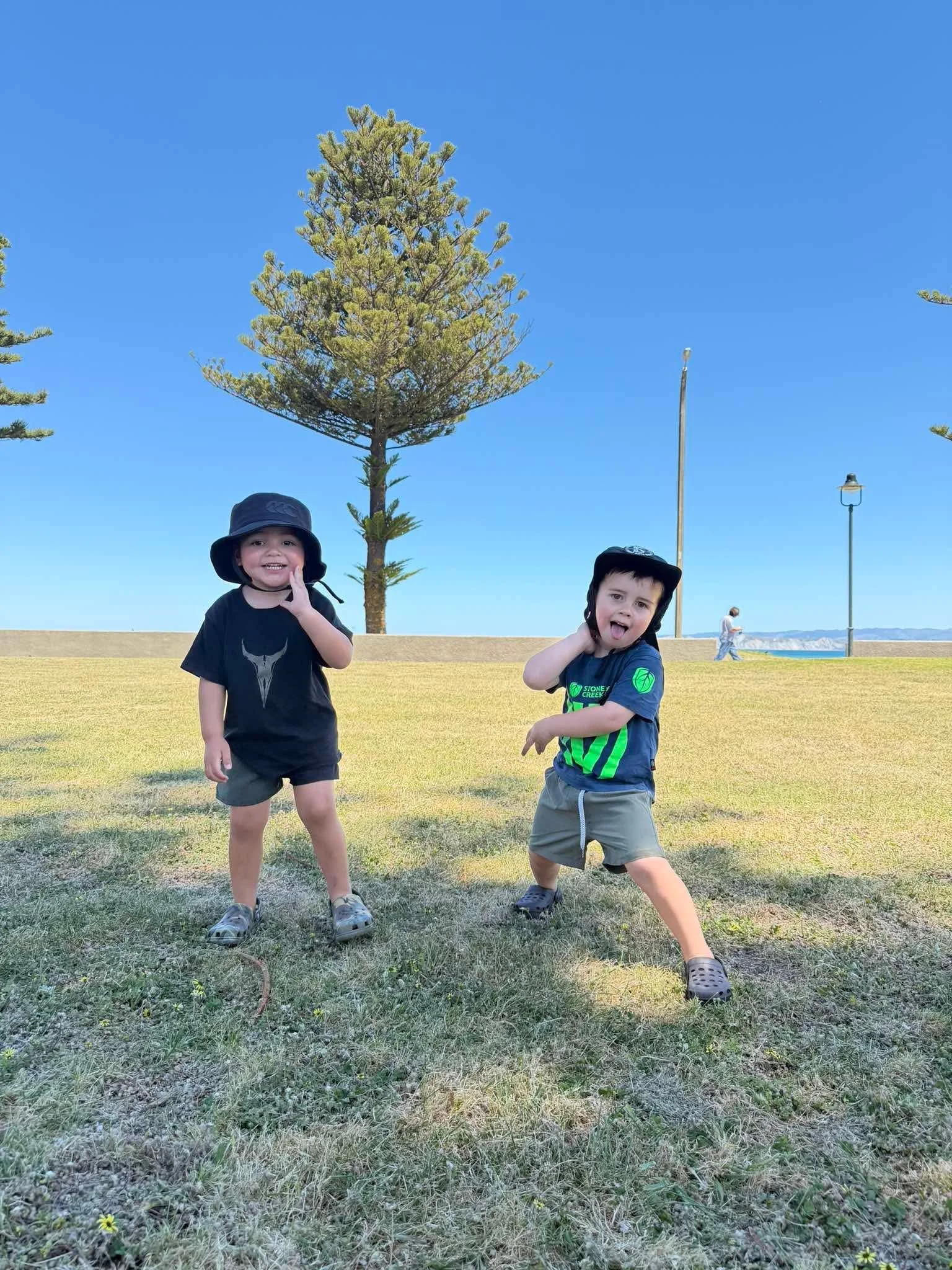
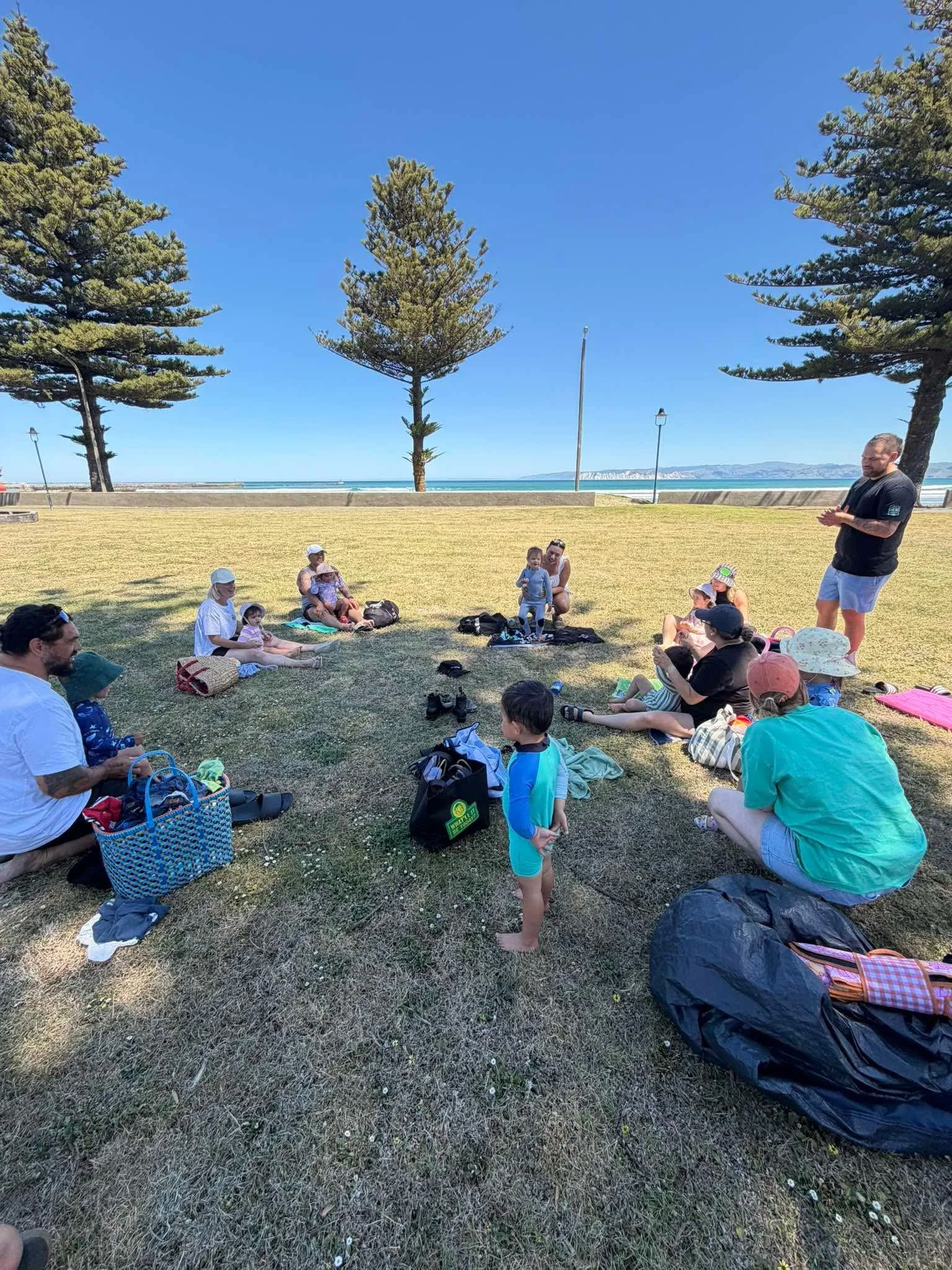
In Term Four of 2025, Taurikura moved beyond the puna wai and into the taiao. These sessions were held outdoor at Te Oneroa o Hinehākirirangi in weeks five and ten. At first, these sessions looked simple where our pēpi and whānau gathered on the shoreline, karakia and waiata were shared, and taonga were collected under the hīhī o Tamanuiterā. Beneath these moments was intentional design supported by Healthy Families East Cape (HFEC) to shift systems.
Traditionally, water safety programmes sit within contained environments like pools where our whānau are often disconnected from the places they actually live, play, and interact with wai. This can reinforce fear around wai and make it harder for learning to carry into everyday life. HFEC works alongside Comet Swimming Club to challenge this business-as-usual approach, asking a simple pātai: what would it take for learning, safety, and mātauranga to flow across environments, rather than stop at the puna wai?
Taurikura Taiao emerged from this question. The pūrākau of Hinehākirirangi, first introduced in the puna wai, were intentionally revisited at the oneroa, with the shoreline mirroring the sides of the pool. This was a deliberate systems choice to remove the line between programme space and lived experience. When learning flows from the puna wai to the moana, confidence and safety become part of everyday life, not something practised only during sessions.
Each pēpi carried their own named kete, gathering taonga from the taha moana. These taonga became entry points into whakapapa, connecting back to Atua Māori and the marama phases associated with them. From a prevention lens, this strengthens protective factors early in life, including cultural identity, connection to place, and positive relationships with wai. These foundations stay with tamariki as they grow, interrupting harm pathways linked to fear, disconnection, and unsafe engagement with wai.
From a systems perspective, HFEC’s role was to support the conditions that made this shift possible. This included backing kaupapa Māori leadership, creating space for experimentation beyond traditional programme boundaries, and reinforcing learning across multiple settings. Mental models began to shift from water as something to fear, to wai as rongoā, as a tīpuna, and as kaiako. Practices were reshaped so learning was place-based, culturally grounded, and reinforced beyond a single environment.
This mahi is different from a standalone intervention. Taurikura Taiao sits within HFEC’s wider prevention strategy, which prioritises early life, whānau leadership, and environments that make healthy, safe choices the easy choice. Rather than delivering the programme, HFEC supported a redesign of how water safety and wellbeing are understood and experienced in this rohe.
The impact of this design was visible on the ground. Whānau moved with confidence, supported one another, practiced safety checks, and allowed pēpi to explore freely and safely. Taurikura ki te Taiao, Taurikura ki te Ao shows what prevention by design can look like when place, whakapapa, and systems thinking come together. It is clear evidence of HFEC’s role in shifting conditions upstream, so healthy futures for pēpi and whānau are not left to chance but intentionally created.